They Call the Thing Rodeo Western Rodeo Review
As an embroidery designer who's tested countless digital designs for real-world applications, I always look for a balance between visual appeal and technical reliability. The They Call the Thing Rodeo Western Rodeo design caught my eye with its bold western theme and versatile file formats. But before jumping into any project, especially ones meant for resale or client work, it’s important to evaluate how well this machine embroidery design translates from screen to fabric.
First Impressions: A Strong Western Vibe
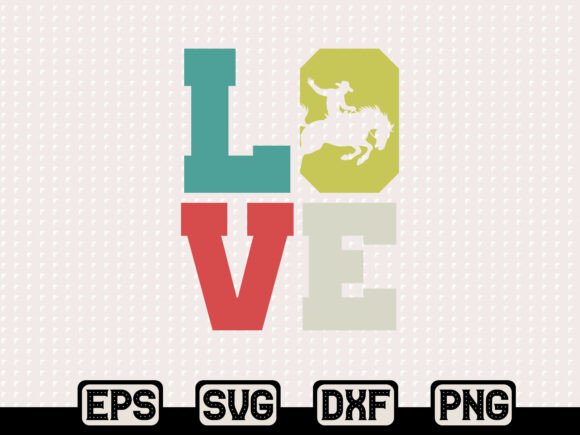
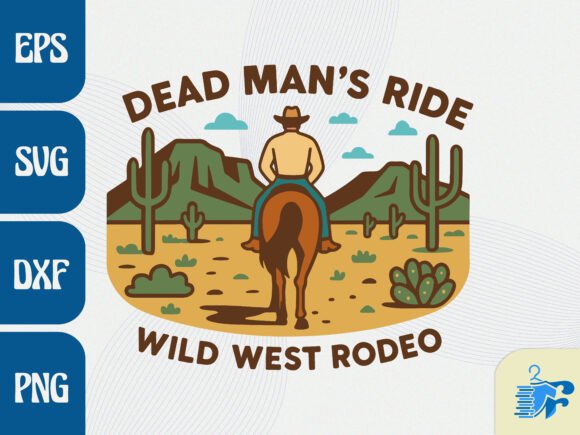
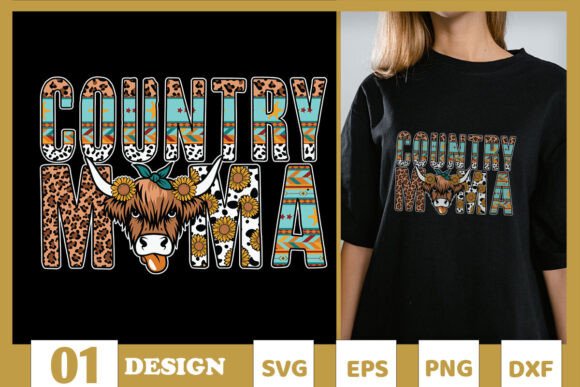
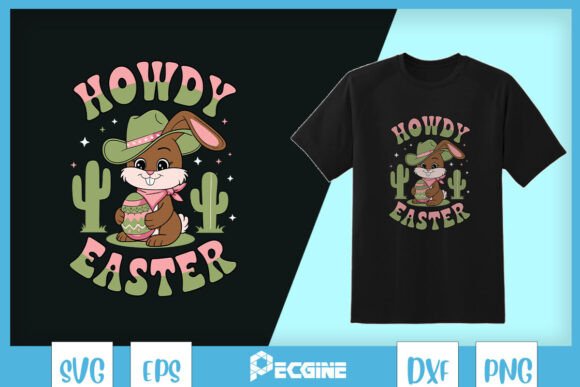
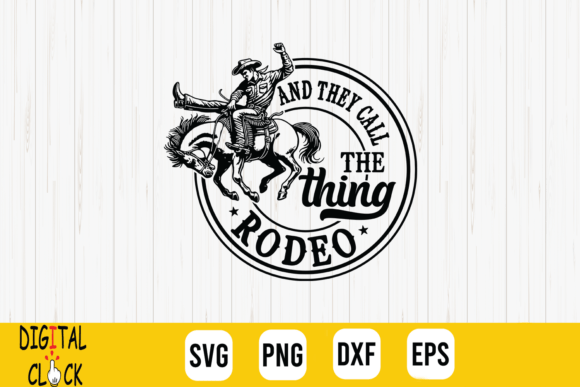
The moment I opened the SVG, PNG, EPS, and DXF files for They Call the Thing Rodeo Western Rodeo, I noticed its cohesive layout and thematic consistency. It features a stylized rodeo scene with elements like horses, cowboys, and classic rodeo motifs. The design feels like a celebration of western culture—trendy but grounded in tradition. Its color palette is warm and earthy, which works well for a variety of handmade products and custom apparel.
What stands out is the use of negative space and layered elements that give it a modern twist while still feeling authentic. This isn’t just a generic western graphic—it tells a story. As someone who creates both personal gifts and commercial design assets, I appreciate when a design has enough personality to stand on its own without needing extra embellishment.
Real-Life Embroidery Use Cases
I’ve been considering using this design for a custom sweatshirt order for a local boutique. The layout is large enough to be impactful on a 15x10 hoop, and the detail level suggests it could be used as a front-and-back design on tote bags or even as part of a patch-style applique on denim jackets. Here are some practical observations based on how I've applied similar designs:
- Tote Bag Design: This design would make a great statement on a cotton canvas tote bag. The size allows for visibility at a glance, and the motif fits well with casual, lifestyle-oriented branding.
- Sweatshirt Embroidery: When placed centrally on a pullover, the design adds a sense of movement and rugged charm. However, due to the density of stitches in some areas, it might require a heavier stabilizer to prevent distortion during washing.
- Embroidered Patch: If converted into a patch format, the design could be used on backpacks, jeans, or leather goods. The strong lines and recognizable imagery ensure it won’t lose clarity when trimmed down to a manageable size.
- Baby Clothes & Holiday Gifts: While the western theme is strong, the design could also be adapted subtly for baby items or holiday embroidery by adjusting thread colors and reducing scale. Just be careful with small details if you're working on delicate fabrics.
Visual Appeal Meets Stitching Clarity
One of the key things I check when evaluating an embroidery design is how well it holds up after stitching. The They Call the Thing Rodeo Western Rodeo manages to maintain its visual integrity across different stitch types. For instance, the outlines use clean satin stitches, while the background employs fill stitches that add depth without overwhelming the piece. There are no tiny letterings or intricate corners that risk being lost in translation, which is a relief for someone who wants to avoid rework or customer complaints.
However, there are dense stitch areas that might cause puckering if not managed properly. In these spots, I’d recommend experimenting with stitch density and tension settings to find the sweet spot for your specific machine and fabric type.
Where to Use With Caution
While this design is visually striking, it's not one-size-fits-all. Here are some scenarios where I'd advise caution:
- Small Hoop Sizes: If you're working within tight constraints, such as a 4x4 inch hoop for a cap or a small apron pocket, this design may need to be simplified or scaled down significantly.
- Textured Fabrics: On materials like flannel or felt, the texture can interfere with the smoothness of satin stitches. You might end up with a slightly uneven finish unless you prep the fabric well.
- Stretchy or Thin Materials: Stretchy knits or lightweight cotton could distort under the weight of denser stitching areas. Using a cut-away stabilizer or interfacing might help preserve the shape.
- Dark Fabric Backgrounds: The contrast of thread colors against dark bases needs to be tested. Some elements may become less visible unless high-contrast threads are selected.
- Curved Surfaces: When applying the design to curved surfaces like caps or mugs, keep in mind that parts of the design may stretch or warp. Always do a test run first.
- Products That Need Frequent Washing: Because of the design's density, frequent laundering could lead to fraying or loosening of the stitches. Reinforcing edges or using all-purpose polyester thread might help maintain durability.
Customer Perception and Brand Value
From a business perspective, the They Call the Thing Rodeo Western Rodeo design has strong potential as a brand asset. It brings a sense of authenticity and adventure to any product it adorns. Whether you're an Etsy seller looking to add a trendy western flair to personalized gifts or a craft business owner wanting to elevate your shop merchandise, this design can serve as a solid foundation.
Customers tend to respond well to designs that feel intentional and high-quality. The machine embroidery design here does that, especially when applied cleanly and professionally. As a result, it can enhance the perceived value of your finished product, whether it’s a holiday gift or a boutique branding item.
Designer Notes for Real Projects
Before committing to a production batch or sending this design to a client, here are some tips I follow personally:
- Test on Scrap Fabric First: Always do a trial run. This helps you catch issues with stitch flow, color contrast, and overall appearance.
- Review Thread Color Contrast: Especially if you plan to use it on darker t-shirts or posters. Make sure the design remains legible and vibrant after stitching.
- Check Stitch Density: Areas with heavy fill stitch should be adjusted depending on the fabric. Too dense and you risk puckering; too sparse and the design loses impact.
- Confirm Hoop Size: The design seems to work best in mid-to-large hoops. Double-check the recommended hoop size (if provided) or estimate based on the layout.
- Inspect Small Details: Look closely at elements like facial features or smaller horse silhouettes. These might need reinforcement depending on the final application.
- Test in Black and White Mockups: This helps assess how the design will appear in grayscale, useful for monochrome printing or when customers choose non-traditional thread colors.
- Compare Light and Dark Fabrics: Do the colors pop equally well? Adjust accordingly to maintain visual consistency.
- Use Proper Stabilizer: Cotton, linen, or stretchy fabrics benefit from additional support. Don't skip this step if you want a polished finish.
- Verify Commercial Use Rights: If you're planning to sell finished products or digital embroidery files, confirm the licensing terms to avoid legal issues later.
Final Thoughts for Crafters and Makers
In short, They Call the Thing Rodeo Western Rodeo is a standout embroidery file for those who value style without sacrificing functionality. It’s adaptable, expressive, and suitable for a wide range of handmade products—from embroidered patches to custom t-shirt designs. What makes it special is how it maintains its identity across different scales and mediums, which is essential for anyone running a craft business or managing an Etsy listing.
That said, don’t assume it will work perfectly out of the box. Every embroidery project is unique, and so is every fabric, machine, and customer expectation. Take time to understand how this design behaves under your specific conditions. Once you do, you’ll likely find it adds a touch of western charm and professionalism to your work.
If you’re looking to expand your design assets for T-Shirt Designs and Graphics, this one definitely deserves a spot in your collection—but only after thorough testing and thoughtful application.