★★★★☆4.3(154 reviews)
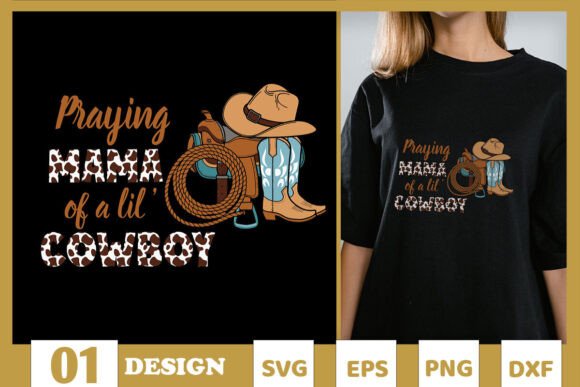
Praying Mama of a Little Cowboy SVG Review for Real Projects
Real-World Use Cases and Performance
- Tote Bag Design: The design looked stunning on a cotton canvas tote bag. The soft curves and detailed outlines stitched cleanly, and the transparent PNG helped me visualize how it would sit on the fabric before hooping.
- Sweatshirt Embroidery: On a medium-weight fleece, the stitch density held well, especially with proper stabilizer. The praying posture didn’t distort during stitching, which is key for maintaining the design's message.
- Baby Embroidery: For a onesie or baby blanket, the design adds a sweet, meaningful touch. Parents appreciated the symbolism, and the detail level made it feel special without being too complex for delicate garments.
- Embroidered Patch: When converted into a patch, the design maintained clarity and dimension. The combination of satin stitch and fill areas gave it a nice 3D effect, perfect for adding to backpacks or denim jackets.
- Nursery Decor: I applied it to a pillow cover and a decorative towel. In both cases, the design added a sense of calm and purpose to the space. The high-definition mockup allowed for precise placement, which is crucial in home décor applications.
- Holiday Embroidery: During a Christmas gift run, this design worked beautifully on aprons and mugs. The sentiment behind it made it a hit with customers looking for heartfelt handmade products.
Where to Use with Care
- Small Hoop Sizes: The design contains several fine details and facial expressions. If you're working with a hoop smaller than 4x4 inches, consider resizing carefully and inspecting every element to avoid distortion.
- Textured Fabrics: On materials like flannel or corduroy, the stitch definition may be slightly softened. Test the design on a scrap piece to confirm whether the texture enhances or hinders the final look.
- Thin or Stretchy Fabric: Delicate materials like jersey knit or lightweight cotton may show tension from dense stitch areas. Using a tear-away stabilizer underneath could help maintain shape and clarity.
- Dark Fabric Backgrounds: The thread colors need to contrast well. While the design includes a range of hues, I recommend testing it in black and white to see if the tonal differences will still pop on darker bases.
- Curved Surfaces: On items like caps or curved patches, the design’s symmetry and alignment become critical. You may need to tweak the placement or adjust the design for better flow along the curve.
- Frequent Wash Use: For items like kitchen towels or baby clothes, always test durability. The running stitch sections should hold up after multiple washes, but using quality threads and reinforcing them can help prevent fraying.
Professional Insights for Embroidery Designers
- Test First: Always try the design on scrap fabric before applying it to your final product. This helps identify any potential issues with stitch direction or density.
- Check Thread Color Contrast: The design works best when the thread colors have good visibility against the base fabric. Consider using a light background for maximum impact.
- Review Stitch Density: Look closely at the fill areas. They should be tight enough to create a smooth surface but not so dense that they cause puckering or damage to the fabric.
- Confirm Hoop Size: Though the design is pre-sized, double-check the recommended hoop dimensions in your software. If unavailable, start with a mid-sized hoop (around 6x10 inches) for general T-shirt designs or larger graphics.
- Inspect Small Details: The facial features and inner elements are delicate. Make sure your machine can handle finer stitches and that your settings support precision embroidery.
- Use Proper Stabilizer: Especially important for stretchy or thin materials. A cut-away stabilizer will give you the most reliable results for long-term wearables like sweatshirts or aprons.
- Test in Black and White: Sometimes, color choices don’t come through as expected. Testing the design in grayscale ensures it remains legible and impactful regardless of thread selection.
- Compare Light and Dark Fabrics: Use a sample of each type of fabric you plan to embroider on. This will help you choose the best thread combinations and lighting conditions for display.
- Check Licensing Before Selling: If you plan to sell finished products or digital embroidery files, verify the licensing terms. Some designs require attribution or restrict commercial use, so it's always best to be clear before listing them on Etsy or in a small shop product line.
⬇️ Download Free
Free download · No sign-up required
🔗 You Might Also Like
T-Shirt Designs
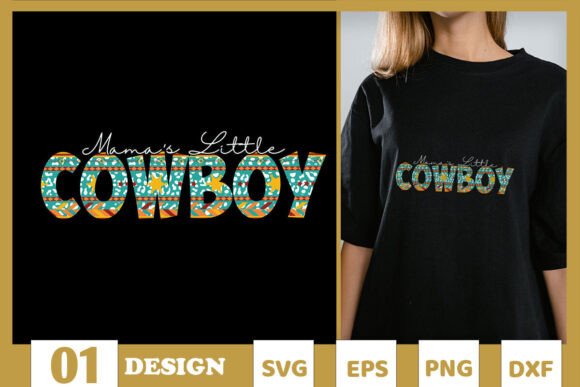
First Impressions: A Classic, Playful Vibe with Practical Potential When I first...
T-Shirt Designs
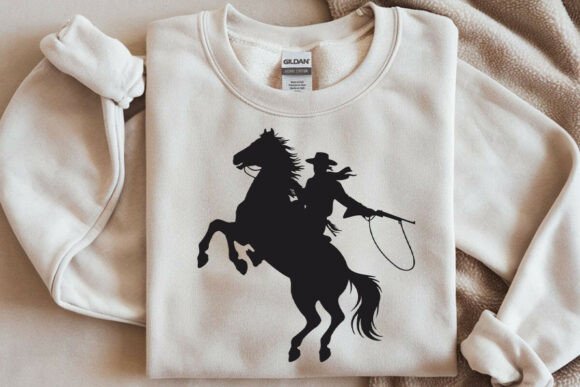
Embroidery designs are more than just pixels on a screen—they need to translate ...
T-Shirt Designs
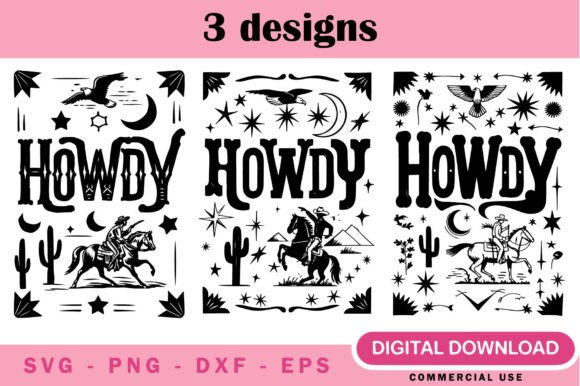
Real-Life Embroidery Use: What Works and What Doesn’t For sweatshirt embroidery ...
T-Shirt Designs
Design Notes for Best Results Test on scrap fabric first: Especially if you plan...
T-Shirt Designs
As an experienced embroidery designer and product reviewer, I always take a mome...
