I Just Like to Smile – A Practical Embroidery Design Review
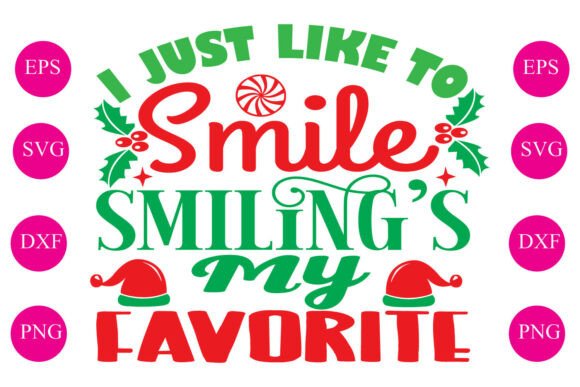
As a seasoned embroidery designer and product reviewer, I approach every new design with a mix of curiosity and caution. When I first opened the I Just Like to Smile digital file, it was clear this wasn’t just another holiday graphic. The whimsical, sassy tone of the phrase paired with the Western flair and fancy flourish style caught my eye immediately. It’s the kind of design that makes you pause and smile—literally.
First Impressions: Mood and Layout
The visual personality of I Just Like to Smile is bold yet playful. The use of forest-style cut files gives it an organic, handcrafted feel, which stands out from the more rigid, cookie-cutter holiday designs on the market. The layout is well-balanced; the text isn’t cramped, and the flourishes add movement without overwhelming the message. This makes it versatile enough for both casual and boutique-level projects.
What I noticed right away was how the design could work across multiple mediums. Whether it's a tote bag or a custom sweatshirt, the scale and detail seem manageable. However, its charm really shines when used on larger surfaces where the intricate lines can breathe. For me, this design naturally belongs on products like personalized gifts, custom apparel, and even holiday-themed handmade items.
Real-World Application: Sweatshirts, Tote Bags, and More
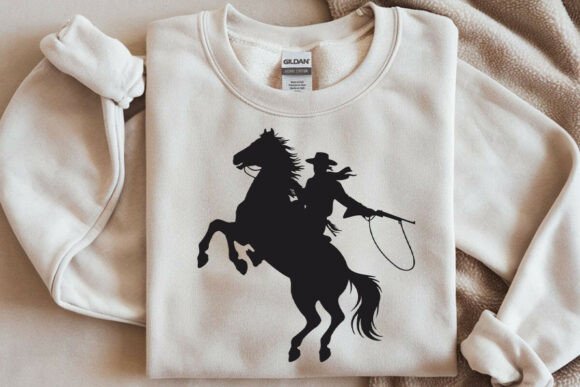
In real-life embroidery scenarios, I see I Just Like to Smile excelling on soft goods such as sweatshirts and tote bags. The Western elements give it a rustic charm, perfect for cozy winter wear or festive gift bags. On a medium-weight cotton blend sweatshirt, the satin stitch outlines would catch light nicely, adding depth and dimension. The fill areas are generous but not too dense, making them suitable for most home embroidery machines if tested properly.
For tote bags made from woven cotton, this design has the potential to become a standout feature. The text and embellishments look clean in vector form, so when converted into an embroidery file, they maintain their shape and clarity. I’d consider using it on a holiday gift bag or as part of a seasonal collection for an Etsy shop or craft fair vendor.
It also works surprisingly well on baby items. If softened with a more pastel thread palette, the “sassy” edge becomes sweetly rebellious. Picture it on a onesie or a pillow cover in a nursery—charming and conversation-starting. Just be sure to simplify any overly detailed parts before stitching near delicate fabrics or seams.
Where to Use with Caution
That said, there are some limitations to keep in mind. The intricate flourishes mean this design won’t perform well in small hoop sizes. Attempting to shrink it down for embroidered patches or caps might lead to lost details and an unflattering outcome. I’ve seen similar designs lose their essence when scaled improperly, and I don’t want that to happen here.
Textured or stretchy fabrics can also pose challenges. The running stitch elements might distort slightly if not stabilized correctly, especially on knits or flannel. Dark fabric backgrounds could make the thread colors appear muted, reducing the overall impact. Always test on scrap fabric first to evaluate how the embroidery file behaves in different conditions.
Curved surfaces like caps or hats require careful placement. The design’s linear structure doesn’t wrap around easily, so unless you’re planning to break it up into sections, it may not look as cohesive as it does flat. Additionally, frequent washing—especially on items like aprons or tea towels—might cause slight fading over time, depending on the thread quality used.
Design Details and Stitch Clarity
Looking closer at the details, the lettering is stylized but still readable. That’s a win for customer recognition and brand consistency. The stitch density is moderate, which is great for avoiding puckering on lightweight garments while still holding up on thicker materials. However, the density varies slightly between the text and the decorative accents, so it’s important to review each section separately when editing the file.
Thread color contrast is something I always emphasize. While the design includes suggested thread colors, it’s wise to test your own palette against the final fabric. Especially for dark-toned pieces, a black-and-white mockup can help determine whether the design will pop or blend in. You want your customers to notice it and remember it!
Product Value and Customer Appeal
I Just Like to Smile brings a sense of joy and personality to any project. As an embroidery designer, I know that emotional resonance is key to buyer engagement. People love to wear what they feel connected to, and this design definitely creates that spark. It’s ideal for handmade products where the charm of the design adds to the perceived value.
From a commercial perspective, this design can elevate your offerings as an Etsy seller or craft business owner. It fits well within the holiday embroidery niche, and its unique Western twist helps differentiate it from the usual snowflakes and Santas. Customers tend to gravitate toward one-of-a-kind items, and this design delivers that uniqueness with minimal fuss.
When considering brand consistency, the mood of this design aligns well with brands that focus on fun, individuality, and personal expression. It could serve as a signature piece in a line of sweatshirt embroidery or tote bag design collections. The challenge lies in ensuring that the design complements other assets in your portfolio without clashing visually or thematically.
Designer Notes for Real Project Use
- Test on scrap fabric first to assess how the design reacts to your machine settings and fabric type.
- Check thread color contrast—especially on dark or textured materials. Adjust as needed for maximum visibility.
- Review stitch density in fill areas and along the edges to prevent puckering or distortion.
- Confirm the recommended hoop size (if provided) to ensure all elements fit comfortably and stitch cleanly.
- Inspect the small details, like the flourishes and corners, to see if they need simplification for certain applications.
- Use appropriate stabilizer to support the design during stitching, particularly on stretchy or thin materials.
- If selling finished products or digital embroidery files, confirm licensing terms to avoid legal issues later.
Final Thoughts on Giftability and Professional Use
One of the best aspects of I Just Like to Smile is its giftability. Whether you're creating a personalized gift for friends or producing a batch for your online store, the design feels thoughtful and expressive. Its holiday theme is subtle enough to not feel forced, yet festive enough to stand out at Christmas markets or as a standalone handmade product.
Professionally, this design supports both personal and commercial embroidery projects. It’s a good candidate for printable mockups if you're showcasing it on your website or social media. But again, always check the compatibility with your equipment and software. Since specific machine requirements aren’t listed, take the time to verify these yourself.
Ultimately, I Just Like to Smile is a strong addition to your design assets if you're aiming for a modern, sassy, and seasonally relevant look. It’s not perfect for everything, but when used thoughtfully, it can turn ordinary items into memorable finished products that speak to your audience’s style and spirit.
Summary of Key Considerations
- Works best on mid-to-large sized, smooth-surfaced garments and accessories.
- Caution is advised for small hooping, stretchy or thin fabrics, and curved surfaces.
- Offers high visual appeal and emotional connection when applied correctly.
- Supports both personal and commercial use but requires license verification.
- Requires testing for optimal stitch clarity and presentation on various materials.
Before committing to a full production run or client project, I recommend downloading the digital printable files and experimenting with a few samples. Once you’re confident in how it looks and stitches, you’ll find that I Just Like to Smile has a natural place in many creative ventures—from cozy sweaters to boutique branding.