Aztec, Tribal, and Western SVG Designs: A Designer’s Real-World Perspective
As a designer who regularly works with embroidery files for custom apparel and handmade products, I’m always looking for digital assets that bring character without causing technical headaches. Recently, I had the chance to test Aztec Svg, Tribal Svg, Western Svg, Png in a few real-life projects, including a sweatshirt design and an embroidered patch. Here’s my honest take on how this set of graphics performs beyond the preview image.
First Impressions and Visual Personality
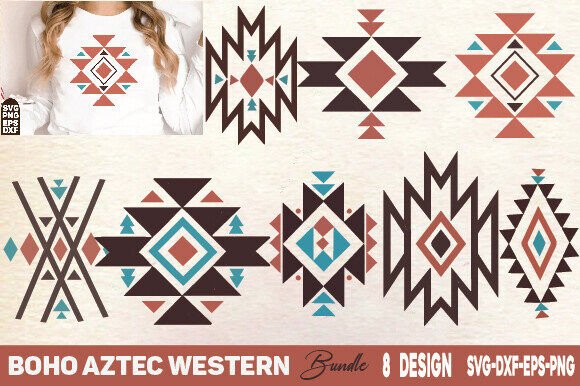
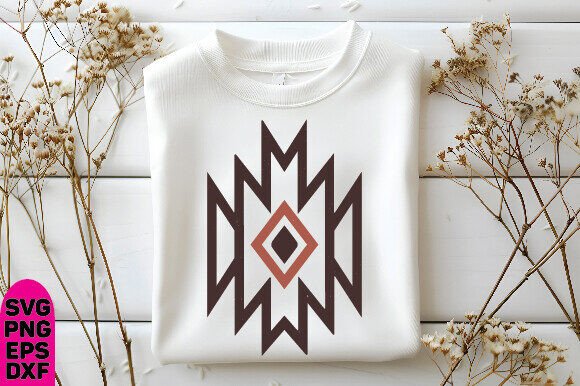
The moment I opened the ZIP folder containing these designs, I was drawn to their bold silhouettes and strong cultural motifs. The Aztec pattern exudes ancient energy with its geometric symmetry and intricate lines. Tribal brings a raw, primal edge—ideal for those who want something eye-catching but not overly literal. The Western design has that rugged charm, with stylized elements reminiscent of leather jackets and cowboy boots. All three SVGs are clearly crafted with attention to detail, and they share a cohesive visual language that makes them feel like a curated collection rather than a random assortment.
What stands out is how versatile the line work feels. These aren’t just decorative; they can serve as statement pieces or subtle accents depending on placement and scale. The PNG versions offer a clean look for mockups or print-on-demand previews, which is especially handy if you’re building your Etsy listing or planning promotional content for a craft fair product.
Real-Life Embroidery Performance
I tested the Aztec Svg on a custom sweatshirt project. When scaled to 6 inches wide, the stitch lines remained crisp, and the density felt right for a cotton-blend fabric. The Tribal Svg worked well on a tote bag design made from a medium-weight linen blend, where the contrast between the stitches and the background really popped. For a more delicate application, the Western Svg added a rugged flair to an apron design—perfect for a small shop product aimed at outdoor enthusiasts or country-themed décor.
Each design handled different stitch types effectively. The Aztec file used a combination of satin and running stitch, giving it a dimensional yet breathable quality. The Tribal design leaned into fill stitch for some areas, which gave it texture without overwhelming the fabric. The Western motif included both fill and satin stitch, creating depth while maintaining clarity. These variations show the designer behind the files understands how each element translates across different embroidery techniques and applications.
Where This Design Shines
- Custom Apparel: The patterns are large enough to make an impact on t-shirts, hoodies, and sweatshirts. They suit both front-and-center placements and side panels.
- Handmade Products: From baby clothes to personalized gifts, the tribal and western themes add a unique touch that appeals to customers seeking artisanal value.
- Commercial Projects: With good scalability and minimal distortion risk, these designs could fit well into boutique branding or seasonal holiday embroidery collections.
- Digital Previews: The PNG format is high-res and looks great in printable mockups, helping buyers visualize the final product before purchasing.
When to Use Caution
- Small Hoop Sizes: The details in the Aztec and Tribal designs might get lost when using smaller hoops unless you simplify the layout or reduce the number of threads involved.
- Textured Fabrics: On canvas or denim, the stitch density may need adjustment to avoid puckering or skipping, especially in dense areas of the Western design.
- Stretchy Materials: Stretch fabrics like spandex or knits can distort the shapes slightly. Always use a stabilizer underneath to keep the design intact.
- Dark Backgrounds: While the PNG looks sharp in black and white, testing on dark fabric is essential. Thread color contrast matters a lot here—especially for the fine lines in the Aztec motif.
- Curved Surfaces: If you're embroidering a cap or curved surface, be prepared to manually adjust the design or break it into sections for better alignment.
Impact on Product Value and Branding
One thing I noticed immediately is how these designs elevate the perceived value of any finished product. Whether you're making a custom baby item or a commercial T-shirt design, the tribal and western aesthetics add a layer of authenticity that resonates with niche markets. As an embroidery file, they also help maintain brand consistency if you're selling multiple items under the same theme.
For giftability, the Western Svg was particularly effective on a pillow cover. It brought a sense of rugged elegance that stood out among other holiday gifts. The Tribal Svg worked beautifully on a tea towel—a perfect example of how an embroidered patch can transform a simple craft business item into a standout piece.
Visually, the stitching clarity is impressive, especially when viewed up close. Customers will appreciate the craftsmanship, and as a maker or Etsy seller, this can boost buyer engagement and trust in your process. The machine embroidery design doesn’t scream “mass-produced,” which is key for handmade product listings.
Designer Notes and Best Practices
Before committing to a full production run or personal project, I recommend doing the following:
- Test on Scrap Fabric: Especially important for thin or stretchy materials. See how the stitch density holds up and whether the design maintains its shape after washing.
- Check Thread Contrast: If you plan to use light thread on dark fabric (or vice versa), confirm visibility. You might consider adding a small highlight stitch or using a darker shade in certain areas.
- Review Stitch Density: Some parts of the Western Svg have tighter fills. If you're working with a budget machine or sensitive fabric, you may want to loosen the density slightly to prevent damage.
- Confirm Hoop Size: Since the product description doesn’t specify hoop dimensions, always measure the design after importing it into your software to ensure it fits within your available space.
- Inspect Small Details: The fine lines in the Aztec design require a bit more attention. Test with different thread weights to see what gives the best definition without fraying.
- Use Proper Stabilizer: Depending on your fabric choice, opt for cutaway or tear-away stabilizers to support the design during stitching and cleaning.
- Test Black and White Mockups: The PNG version helps here, but also try converting the design to grayscale to see how it behaves in low-light conditions or on unconventional backgrounds.
- Compare Light and Dark Fabrics: The visual appeal shifts dramatically depending on the base material. Make sure the design complements the overall aesthetic of your handmade product.
- Verify Licensing: Before selling finished items or offering the digital embroidery file as a product, double-check the licensing terms. This is critical for commercial embroidery and digital product sellers alike.
Final Thoughts for Crafters and Business Owners
If you're in the market for embroidery graphics that carry weight—both visually and thematically—then Aztec Svg, Tribal Svg, Western Svg, Png is worth considering. These aren’t just trendy patterns; they tell a story through stitch. That said, their success depends heavily on thoughtful application. Don’t rush into scaling or placing them without understanding the nuances of your materials and machines.
As someone who builds design assets for clients and my own craft business, I found these SVGs to be a solid addition to my portfolio. They’re adaptable, professional-looking, and ready to enhance everything from a personalized gift to a branded T-shirt design. Just remember to treat them like any other embroidery project: with care, curiosity, and a willingness to tweak for optimal results.